

Engineering Procurement: How Quality Materials Drive Project Success
Renewable energy harnessed from solar power offers a sustainable and eco-friendly solution to meet the worlds.
Engineering Procurement: How Quality Materials Drive Project Success

In the engineering, construction, and oil & gas industries, the success of any project depends not only on technical expertise but also on the quality of the materials and equipment used. Engineering procurement plays a vital role in ensuring that every component meets project specifications, complies with industry standards, and is delivered on schedule.
From structural steel and piping materials to valves, pressure vessels, instrumentation, and mechanical equipment, selecting the right materials is essential for building safe, reliable, and long-lasting facilities.
What Is Engineering Procurement?
Engineering procurement is the process of sourcing, purchasing, inspecting, and delivering the materials, equipment, and services required to execute an engineering or construction project.
Unlike conventional purchasing, engineering procurement requires technical knowledge to ensure that every item complies with design specifications, project requirements, and applicable industry standards.
An effective procurement strategy focuses on:
- Material Quality
- Supplier Evaluation
- Technical Compliance
- Cost Optimization
- Delivery Scheduling
- Logistics Coordination
- Quality Assurance
- Risk Management
By integrating procurement with engineering and construction activities, project teams can reduce delays, improve efficiency, and maintain consistent quality throughout the project lifecycle.
Why Quality Materials Matter
Every industrial facility is only as reliable as the materials used to build it. Inferior materials may reduce initial costs, but they often result in equipment failures, increased maintenance, safety risks, and expensive operational downtime.
High-quality materials provide several long-term benefits, including:
- Improved structural integrity
- Greater equipment reliability
- Increased operational efficiency
- Longer service life
- Reduced maintenance costs
- Better resistance to corrosion and harsh environments
- Compliance with international engineering standards
Using certified materials from trusted manufacturers ensures that facilities perform safely and efficiently throughout their operational life.
The Engineering Procurement Process
Successful procurement follows a structured process designed to maintain quality while keeping projects on schedule and within budget.
1. Understanding Project Requirements
Procurement begins with a thorough review of engineering drawings, technical specifications, material take-offs, and project schedules. This ensures that all required materials are clearly identified before purchasing begins.
2. Supplier Evaluation
Selecting the right suppliers is critical. Procurement teams evaluate vendors based on:
- Product quality
- Technical capability
- Manufacturing capacity
- Industry certifications
- Delivery performance
- Financial stability
- Previous project experience
Working with reputable suppliers reduces procurement risks and improves overall project performance.
3. Material Selection
Materials must satisfy both engineering requirements and operational conditions. Factors such as pressure, temperature, corrosion resistance, durability, and environmental conditions are carefully considered during selection.
4. Quality Inspection
Before materials are accepted, they undergo quality inspections to verify compliance with project specifications.
Inspections may include:
- Dimensional verification
- Material certification review
- Visual inspection
- Non-Destructive Testing (NDT)
- Factory Acceptance Tests (FAT)
- Documentation verification
Quality inspections help identify issues before materials arrive on site, preventing costly delays and rework.
5. Logistics and Delivery
Timely delivery is just as important as material quality. Procurement teams coordinate transportation, customs clearance, warehousing, and site delivery to ensure materials are available when construction activities begin.
Proper logistics planning minimizes project interruptions and improves construction productivity.
Common Materials Used in Engineering Projects
Engineering procurement covers a wide range of materials and equipment, including:
- Carbon Steel
- Stainless Steel
- Structural Steel
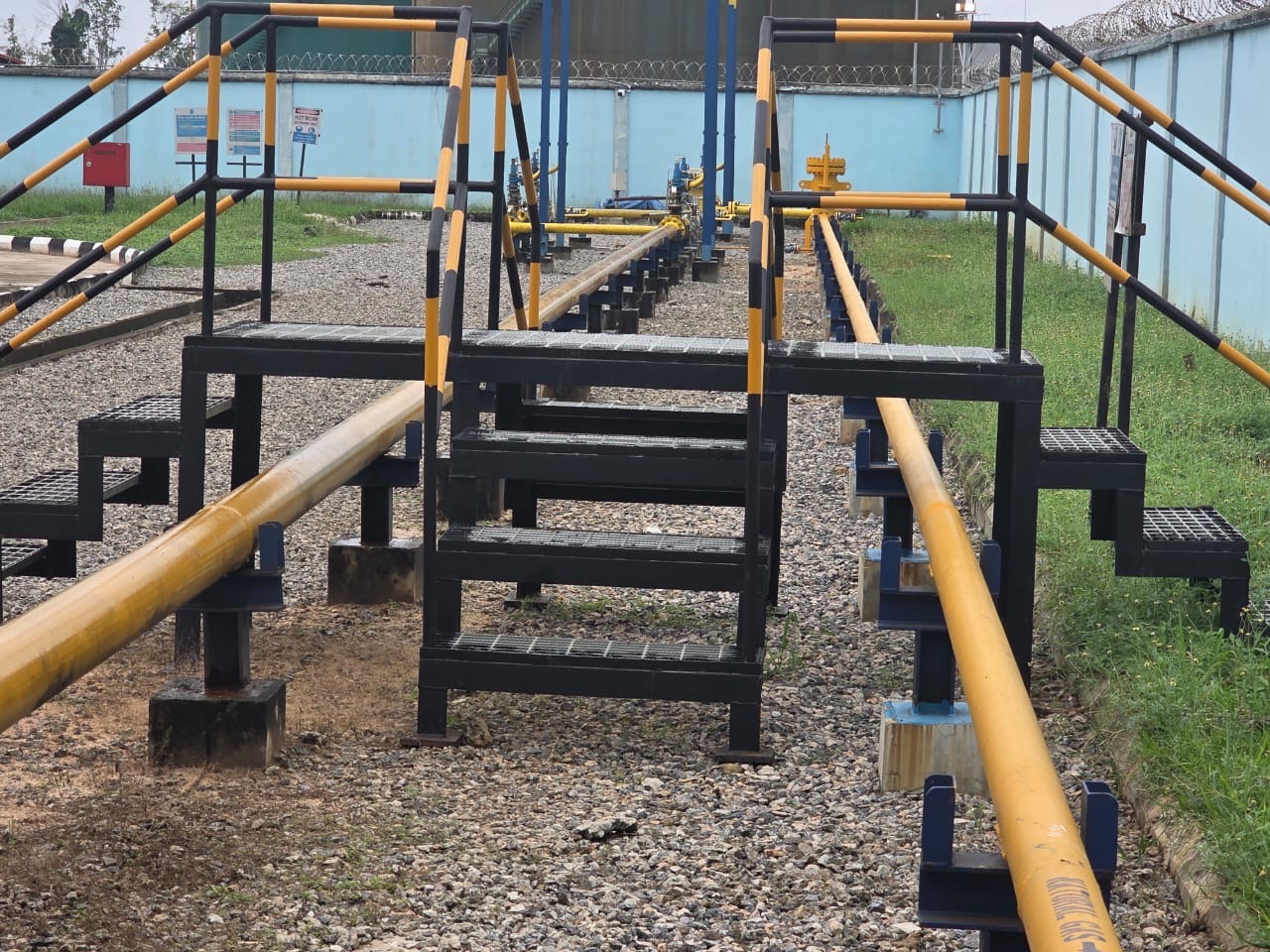
- Pipes and Fittings
- Valves
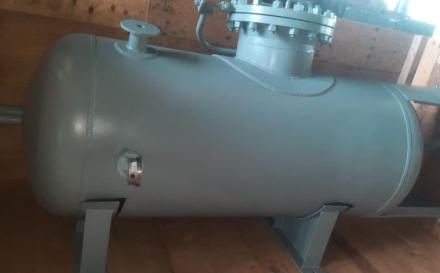
- Pressure Vessels
- Storage Tanks
- Pumps
- Compressors
- Heat Exchangers
- Electrical Equipment
- Instrumentation Systems
- Safety Equipment
- Mechanical Components
Each item must meet project specifications and applicable industry standards to ensure reliable operation.
Challenges in Engineering Procurement
Procurement teams often face several challenges during project execution, including:
- Supply chain disruptions
- Material shortages
- Price fluctuations
- Delivery delays
- Changing project requirements
- Supplier performance issues
- Regulatory compliance
- Documentation management
Effective planning, supplier relationships, and continuous communication help overcome these challenges while keeping projects on track.
Best Practices for Successful Procurement
Organizations can improve procurement performance by adopting proven industry practices.
Develop Strong Supplier Relationships
Long-term partnerships with reliable suppliers improve communication, product quality, and delivery performance.
Prioritize Quality Over Cost
Selecting the lowest-priced materials may lead to higher maintenance costs and reduced equipment reliability. Investing in quality materials provides greater long-term value.
Maintain Complete Documentation
Accurate procurement records, material certificates, inspection reports, and delivery documentation improve traceability and simplify project management.
Integrate Procurement with Engineering
Close collaboration between procurement and engineering teams ensures purchased materials align with technical specifications and project objectives.
Monitor Supplier Performance
Regular supplier evaluations help maintain quality standards and identify opportunities for continuous improvement.
The Value of Professional Engineering Procurement
Professional procurement services contribute directly to project success by ensuring that the right materials arrive at the right place, at the right time, and at the required quality.
An experienced procurement team helps clients:
- Reduce project risks
- Improve cost efficiency
- Maintain construction schedules
- Ensure regulatory compliance
- Increase operational reliability
- Enhance overall project quality
When combined with engineering expertise and effective project management, procurement becomes a strategic advantage rather than simply a purchasing function.
Conclusion
Engineering procurement is far more than buying materials—it is a critical process that influences the safety, quality, efficiency, and long-term success of every engineering project. By selecting certified materials, partnering with trusted suppliers, and implementing rigorous quality control procedures, organizations can minimize risks while delivering projects that meet the highest industry standards.
At HONSUN GLOBAL LIMITED, we provide comprehensive engineering procurement solutions that support every stage of project execution. Our commitment to quality, technical excellence, and reliable supply chain management enables us to deliver cost-effective solutions for oil & gas, industrial, and engineering construction projects across Nigeria and West Africa.
honsunadmin