

Pressure Vessel Fabrication: Standards, Safety, and Best Practices
Renewable energy harnessed from solar power offers a sustainable and eco-friendly solution to meet the worlds.
Pressure Vessel Fabrication: Standards, Safety, and Best Practices
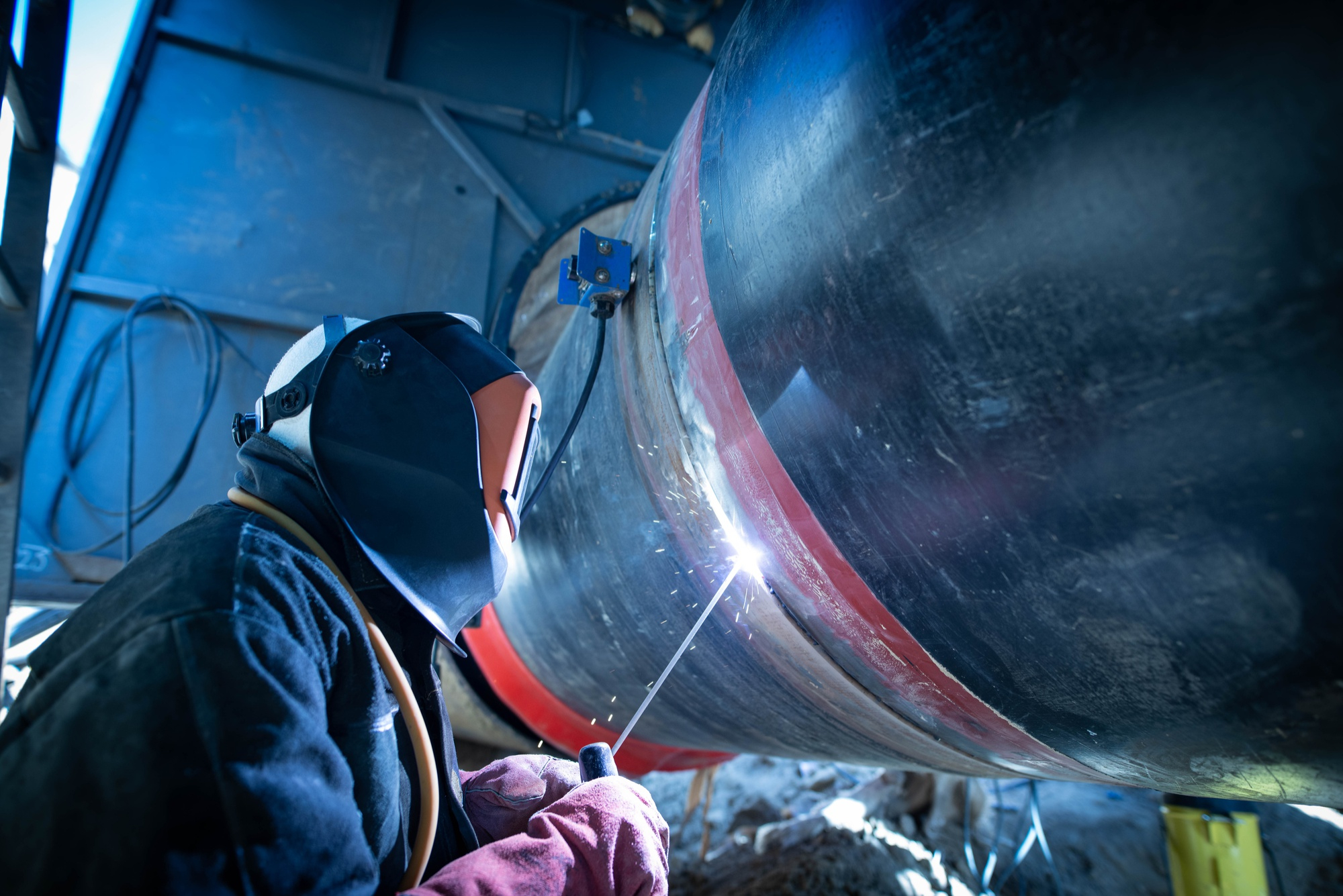
Pressure vessels are among the most critical components in the oil and gas, petrochemical, power generation, and industrial processing sectors. Designed to contain gases or liquids under high pressure, these vessels must be manufactured with exceptional precision, high-quality materials, and strict adherence to international standards.
Even minor defects in fabrication or welding can compromise safety, reduce operational efficiency, and lead to costly downtime. This is why professional pressure vessel fabrication is essential for ensuring reliability, performance, and long-term operational success.
What Is Pressure Vessel Fabrication?
Pressure vessel fabrication is the process of designing, manufacturing, assembling, testing, and inspecting containers that operate under pressures significantly higher or lower than atmospheric pressure.
Pressure vessels are commonly used for:
- Oil & Gas Processing
- Petrochemical Plants
- Refineries
- Power Generation Facilities
- Chemical Processing Plants
- Water Treatment Facilities
- Industrial Manufacturing
Common examples include:
- Pressure Vessels
- Storage Tanks
- Heat Exchangers
- Separators
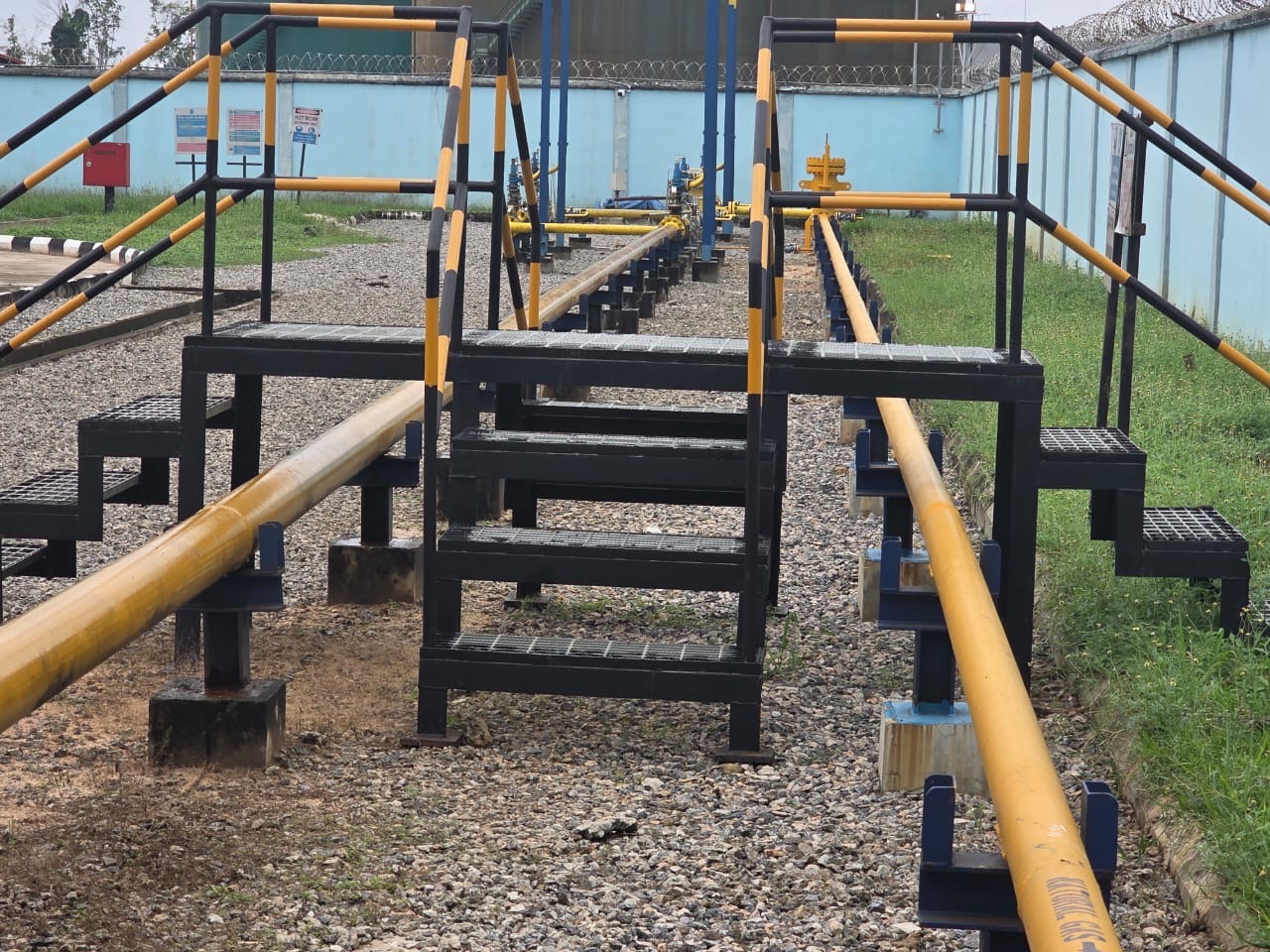
- Pig Launchers
- Pig Receivers
- Process Skids
Why Quality Fabrication Matters
Pressure vessels operate under demanding conditions, including high pressure, elevated temperatures, and corrosive environments. Poor fabrication practices can result in equipment failure, production losses, environmental hazards, and safety risks.
Professional fabrication ensures:
- Safe operation under design pressure
- Long service life
- Improved equipment reliability
- Compliance with industry regulations
- Reduced maintenance costs
- Lower risk of unplanned shutdowns
Investing in quality fabrication from the beginning helps organizations avoid expensive repairs and operational disruptions in the future.
International Standards That Guide Pressure Vessel Fabrication
Pressure vessel fabrication must comply with internationally recognized engineering codes and standards to ensure safety, quality, and performance.
Some of the most widely recognized standards include:
ASME Boiler and Pressure Vessel Code (BPVC)
The ASME Boiler and Pressure Vessel Code is one of the world’s most respected standards for the design, fabrication, inspection, testing, and certification of pressure vessels. Compliance with ASME requirements helps ensure equipment is manufactured to rigorous safety and quality standards.
API Standards
The American Petroleum Institute (API) develops standards widely used throughout the oil and gas industry. These standards provide guidance for the design, inspection, maintenance, and operation of pressure-containing equipment.
ISO Quality Management Standards
ISO quality management systems help ensure consistent manufacturing processes, effective quality control, and continuous improvement throughout fabrication activities.
Following these standards provides confidence that fabricated equipment meets industry expectations for safety, reliability, and performance.
The Pressure Vessel Fabrication Process
Professional fabrication follows a structured process to ensure every vessel meets design specifications and applicable codes.
1. Engineering and Design
The fabrication process begins with detailed engineering calculations, material selection, and production drawings. Engineers determine wall thickness, operating pressure, temperature requirements, and welding procedures before manufacturing begins.
2. Material Procurement
Only certified materials that meet project specifications are selected. Material traceability is maintained throughout fabrication to ensure compliance and quality assurance.
3. Cutting and Forming
Steel plates and structural components are accurately cut, rolled, and formed into the required shapes using specialized fabrication equipment.
4. Welding
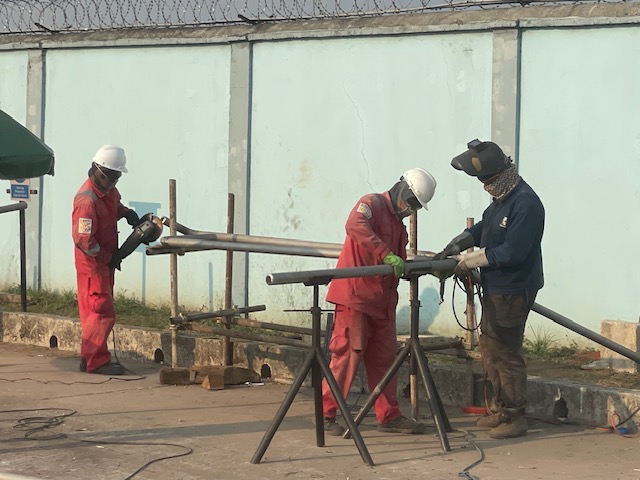
Qualified welders perform welding procedures approved under applicable standards. Welding quality plays a critical role in the structural integrity of every pressure vessel.
5. Non-Destructive Testing (NDT)
Before a vessel enters service, welds and critical components undergo non-destructive testing to detect defects without damaging the equipment.
Common inspection methods include:
- Visual Inspection
- Ultrasonic Testing (UT)
- Radiographic Testing (RT)
- Magnetic Particle Testing (MT)
- Dye Penetrant Testing (PT)
6. Hydrostatic Testing
Pressure vessels are subjected to hydrostatic pressure testing to verify structural integrity and confirm they can safely operate under their intended design pressure.
7. Surface Preparation and Coating
Protective coatings help prevent corrosion, improve durability, and extend equipment lifespan, particularly in harsh industrial and offshore environments.
Safety Best Practices in Pressure Vessel Fabrication
Safety is fundamental throughout the fabrication process. Every stage should be performed using established procedures, qualified personnel, and comprehensive quality control measures.
Key best practices include:
- Using certified materials from approved suppliers
- Employing qualified welders and inspectors
- Following approved welding procedures
- Performing regular quality inspections
- Conducting comprehensive non-destructive testing
- Maintaining complete material traceability
- Adhering to Health, Safety, and Environmental (HSE) requirements
- Documenting all fabrication and testing activities
A strong safety culture not only protects personnel but also contributes to better workmanship and more reliable equipment.
Common Challenges in Pressure Vessel Fabrication
Fabricators must overcome several technical challenges to produce high-quality pressure vessels, including:
- Complex engineering requirements
- Tight dimensional tolerances
- Specialized welding procedures
- Material compatibility
- Corrosion resistance
- Strict regulatory compliance
- Delivery schedules
- Quality documentation
Working with an experienced fabrication company helps address these challenges efficiently while maintaining high standards of quality and safety.
Choosing the Right Fabrication Partner
Selecting the right fabrication partner is essential for project success. An experienced manufacturer should have:
- Proven engineering expertise
- Modern fabrication facilities
- Qualified welders and inspectors
- Comprehensive quality assurance systems
- Advanced testing capabilities
- Strong HSE culture
- Experience delivering projects for the oil and gas industry
A reliable fabrication partner provides more than equipment—they deliver confidence, compliance, and long-term operational reliability.
Conclusion
Pressure vessel fabrication is a highly specialized discipline that demands technical expertise, strict quality control, and compliance with internationally recognized standards. From engineering and material selection to welding, testing, and final inspection, every stage contributes to the safety and performance of the finished equipment.
At HONSUN GLOBAL LIMITED, we specialize in the fabrication of pressure vessels, storage tanks, pig launchers, pig receivers, and skid-mounted process equipment for the oil and gas industry. By combining engineering excellence, skilled craftsmanship, rigorous quality assurance, and a commitment to safety, we deliver fabrication solutions that meet international standards and support the long-term success of our clients’ operations.
honsunadmin